Dynamic Value Management
Why better management has made leadership harder.
Organizations have become better at managing their individual functions. But better management does not automatically produce better leadership decisions. Dynamic Value Management provides a system for integrating results, resources, and risk to continuously maximize stakeholder value.
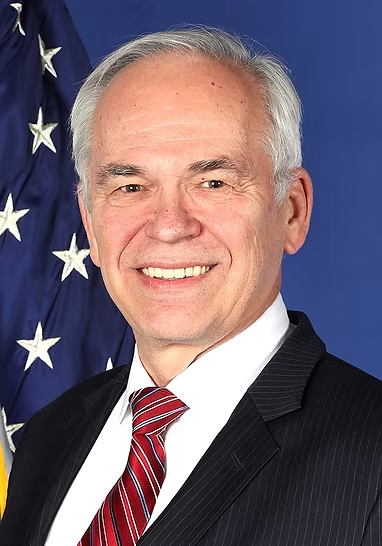
Douglas Webster, DBA
Creator of Dynamic Value Management
Fellow, National Academy of Public Administration
CFO, U.S. Dept. of Labor
CFO, U.S. Dept. of Education
Co-founder, AFERM
Four books
The leadership integration challenge
Organizations have become increasingly sophisticated at managing finance, operations, technology, human resources, risk, and other specialized functions. Each discipline brings valuable expertise, information, and analytical capabilities. Yet the recommendations produced by these disciplines frequently compete.
Operations may recommend faster delivery. Finance may recommend conserving resources. Risk management may recommend additional safeguards. Technology may identify opportunities requiring substantial investment. Each recommendation may be sound within its own discipline. But which combination will produce the greatest value for the organization and its stakeholders?
That is a leadership question.
It cannot be answered simply by improving each management function independently. Better analysis can expose existing conflicts. It can also make competing recommendations more persuasive and harder to reconcile. Leadership must integrate those perspectives for the organization as a whole, not simply split the difference among them.
AI and leadership
Sharper analysis will make this harder, not easier.
1
Every function is about to get sharper analysis.
2
That means more sophisticated recommendations that disagree with each other, arriving faster.
3
The bottleneck moves from analysis to integration.
What is Dynamic Value Management?
Dynamic Value Management (DVM) is a leadership system for continuously maximizing stakeholder value in the face of change.
R
Results sought
What results should the organization pursue to create value for its stakeholders?
R
Resources available
What resources can the organization commit, and what other opportunities might those resources support?
R
Risks acceptable
What risks should the organization accept in pursuing those results?
These are the Three R’s. Changing one can affect the others; leadership must consider them together.
Work with Doug
Ways to work together
Start here
Decision Sprint
One decision your leadership team is stuck on. One morning. Made, documented, and defensible. Results Sought, Resources Available, and Risks Acceptable are put on the table together, and you leave with a concise written decision record and the conditions that should trigger revisiting it.
Leadership teams
Executive Integration Session
A higher-level session, inside an existing planning retreat or a dedicated meeting, that works through your selected objectives and their interdependencies, and leaves the team with a written record of where they compete for the same people and money.
Boards, associations, conferences
Executive Presentation
Introductions to DVM and its implications for leadership and organizational decision-making.
About Douglas Webster, DBA
Douglas Webster is the creator of DVM, a Fellow of the National Academy of Public Administration, and a former Senate-confirmed Chief Financial Officer of both the U.S. Department of Labor and the U.S. Department of Education. He was the leading co-founder and first president of the Association for Federal Enterprise Risk Management.
Read the argument
Article · Forthcoming
“The Next Leadership Discipline”
Business Horizons · Link available on publication
Book · Completed manuscript
Dynamic Value Management: Why Better Management Has Made Leadership Harder
Explore and connect.
Explore the DVM framework, its development, and approaches to practical application. Webster welcomes conversations with executives, leadership teams, professional associations, researchers, and others interested in DVM, executive presentations, working sessions, or advisory engagements.